

Our latest subscriber chat explored a topic that seems to be evolving almost daily: artificial intelligence (AI) and its place within Care Opinion.
With AI tools such as ChatGPT, Microsoft Copilot, Gemini and Claude becoming increasingly common in workplaces across the UK, we wanted to discuss how these technologies might influence the way stories are shared and responded to on Care Opinion.
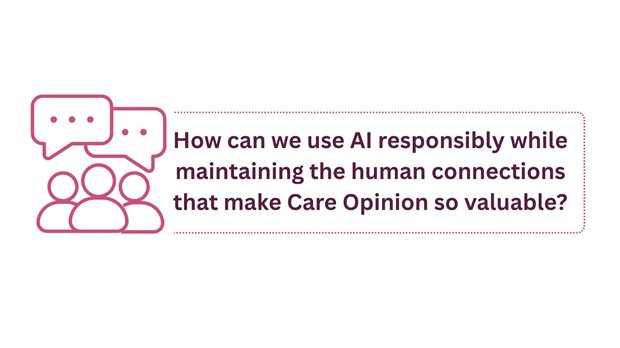
Rather than asking whether AI is "good" or "bad", our discussion focused on a more important question:
Why talk about AI now?
AI adoption has grown rapidly over the last few years, and we're beginning to see evidence that both storytellers and responders may be using AI tools to support their writing.
At Care Opinion, one of our core values is humanity. Stories are not just pieces of text, every story is written by a real human being, with very real experiences. Likewise, responses are not just acknowledgements, they are opportunities for celebration, learning and change.
As AI becomes more accessible, as an organisation we felt it was important to start thinking about these issues now, before AI-generated content becomes more commonplace.
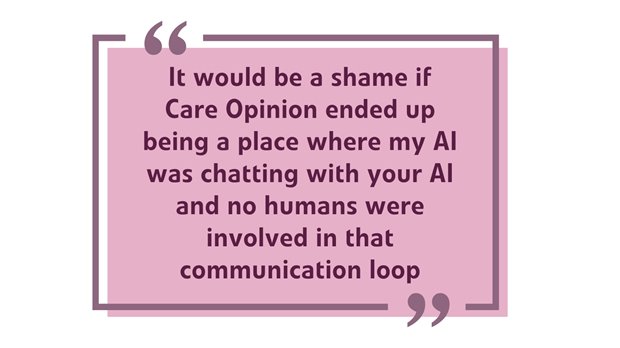
As James, our Director of Research & Development, reflected during the session:
How are people using AI?
One of our first polls revealed that around three-quarters of attendees already use AI in some aspect of their work.
Participants described using AI for:
- Summarising large amounts of information
- Identifying trends and themes
- Improving spelling and grammar
- Drafting emails and reports
- Organising schedules and workloads
This mirrors what we're seeing more broadly across many sectors, including health and social care.
Authors and responders: different uses, different motivations
One of the most interesting parts of our conversation explored how authors and responders might use AI differently.
For people sharing stories, AI may help them:
- Structure their thoughts
- Communicate more clearly
- Feel more confident that their voice will be taken seriously
- Overcome barriers related to writing, spelling or language
For responders, AI is often being used differently. It may be used to:
- Refine tone
- Make responses sound more empathetic
- Improve readability
- Check wording before publication
As Lisa highlighted, the purposes behind these uses are not always the same. Storytellers may be using AI to ensure they are heard, while responders may be using it to attempt to improve how they communicate.
Can we tell when AI has been used?
The short answer: not always.
Ali shared examples where AI use was obvious, including chat prompts or instructions being accidentally left within responses.
However, identifying AI-generated content is becoming increasingly difficult.
Common "tells" suggested by attendees included:
- Overly polished language
- Repetitive sentence structures
- American spellings
- Long dashes
- Responses that appear empathetic but feel generic
However, as Ali noted, these indicators are never definitive, and as more people begin using AI for this purpose, detection may become increasingly difficult. This aligns with the research findings James describes in the next section, which suggest that the public generally struggles to identify when AI has been used.
Some people simply write in a style that resembles AI-generated content. This means assumptions can easily be wrong, which presents yet another tricky question for Care Opinion: how do we actively manage AI use in practice? Check out the session recording below for the panel discussion around this very issue!
What does the research say?
James shared findings from recent research into patient perceptions of AI-generated responses.
Some key themes emerged:
- People often cannot reliably distinguish AI-written responses from human-written ones.
- Patients generally prefer responses written by real people.
- Trust can be significantly damaged if people later discover a response was generated by AI without their knowledge.
- Authenticity remains incredibly important in feedback interactions.
Perhaps most importantly, research continues to show that people want their feedback to reach the individuals and teams involved in their care. They want to know they have been heard.
Could AI affect our ability to connect?
One of the most thought-provoking questions came from an attendee:
If AI helps us sound more empathetic, do we risk losing our ability to practice empathy ourselves?
Ali reflected on the idea that empathy is like a muscle: it develops through use. If we outsource empathy entirely to technology, then we may miss opportunities to develop our own communication and listening skills.
A second valuable question came from another attendee, who asked whether, as responders, we risk losing our connection with story authors by using AI to help draft responses. Does responding in this way risk turning the process into "just another task"?
At its core, responding to Care Opinion stories is about building a connection with authors, and over the years we have seen the positive impact that connection can have on both staff and those sharing their experiences. It would be a real shame, therefore, if the use of AI diminished that important human connection.
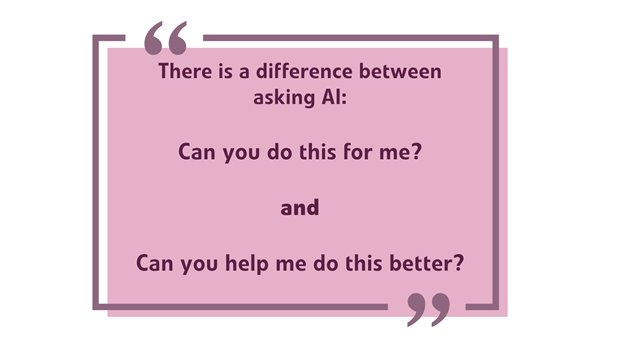
James offered an important distinction in AI use:
The second approach positions AI as a coach or learning partner rather than a replacement for thoughtful human engagement.
Using AI responsibly
However the conversation wasn't solely focused on the negatives of using AI. We also explored ways that it could potentially support responders, while still preserving their human connection to the author.
Some examples included:
- Identifying themes within stories
- Highlighting issues a responder may have overlooked
- Prompting reflection before publishing a response
- Checking whether all elements of a story have been addressed
- Encouraging responders to think about actions and learning opportunities
The key message was that AI can support reflection and learning, but it should not replace genuine engagement.
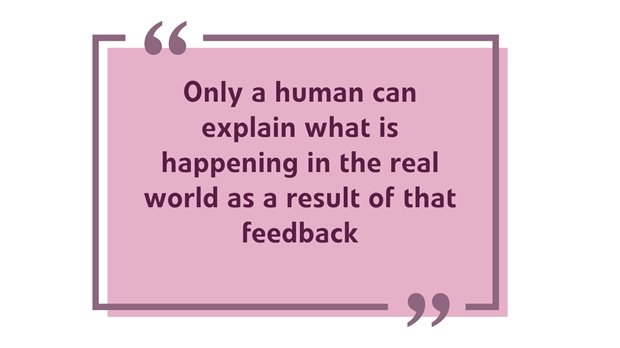
As Lisa reminded us:
That learning, action and change remains at the heart of responding on CO.
Final reflections
What became clear during this subscriber chat is that AI is unlikely to disappear from our working lives anytime soon, if at all. The challenge is not whether we engage with it, but how.
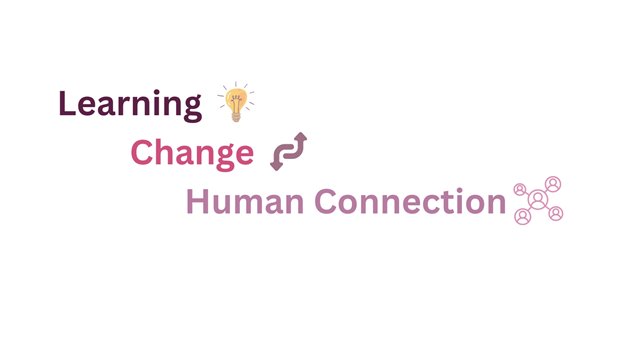
For Care Opinion, the conversation keeps coming back to our purpose: Learning, Change & Human Connection.
If AI helps us deepen our understanding, reflect more thoughtfully and improve the quality of our responses, it may have a role to play.
If it becomes a substitute for listening, empathy and authentic engagement, then we risk losing what makes the Care Opinion conversation meaningful in the first place.
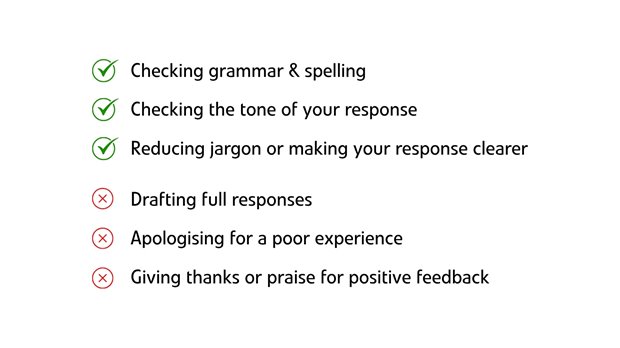
To finish on a practical note, perhaps the most important advice for responders is this: use AI to support your response writing, not to replace it. Let it help you organise your thoughts and refine your wording, but be sure the response remains your own! Here's some more helpful AI do's and don'ts to keep handy:
Session Resources
The Human Touch in an AI Age: A Deeper Dive into Care Opinion Responses
The Human Touch in an AI Age: A Deeper Dive into Care Opinion Responses https://careopinionuk-staging.azurewebsites.net/resources/blog-resources/41-images/79fa3919f5064dea9442aa3632377f19.jpg Care Opinion 0114 281 6256 https://www.careopinion.org.uk /content/uk/logos/co-header-logo-2020-default.pngUpdate from Subscriber Support Team
Posted by Danielle McEwan, Senior Subscriber Support Officer, Subscriber Support Team, on
Thanks for your feedback.